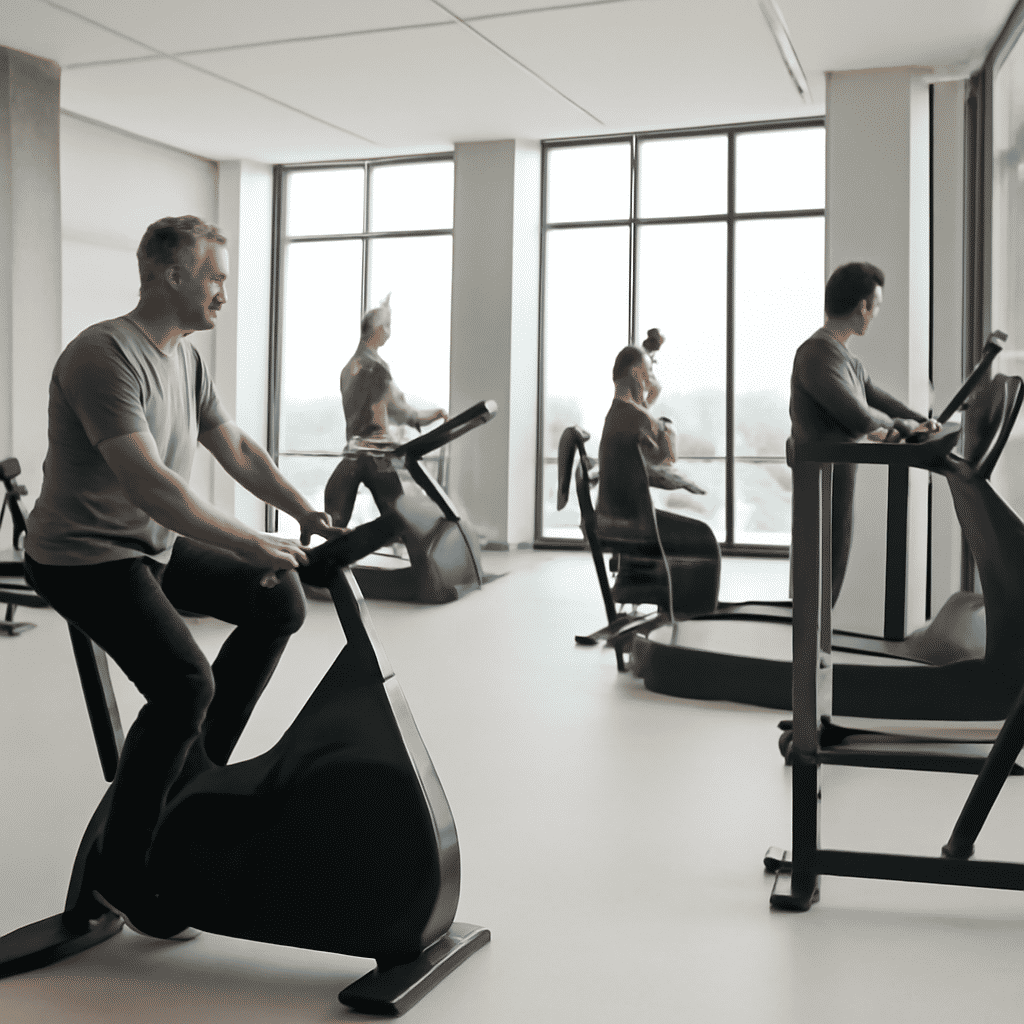
In recent years, the field of physical fitness has witnessed a revolution driven by innovative research and technological advancements. These breakthroughs are not only enhancing personal health regimes but also optimizing physical strength and overall well-being. From wearable technology to personalized fitness programs, the landscape of physical fitness is evolving rapidly, empowering individuals to achieve their goals more efficiently and effectively.
One of the most significant innovations in the fitness world is the development of advanced wearable technology. Devices such as smartwatches and fitness trackers are providing real-time data on physical activities, allowing individuals to monitor everything from heart rate and calories burned to steps taken and sleep patterns. These insights enable users to tailor their workouts to better fit their personal needs and objectives, ensuring a more scientific approach to fitness.
Moreover, the incorporation of artificial intelligence into fitness regimens has given rise to personalized training programs that adapt and evolve based on individual performance. By analyzing data collected from wearables and other tools, AI-powered applications can design tailor-made workouts that cater to specific body types, goals, and preferences. These programs not only increase the efficiency of workouts but also minimize the risk of injury by offering exercises that align with an individual’s physical capabilities.
In addition to AI, the concept of virtual reality (VR) is transforming the way people experience fitness. VR-based workouts offer an engaging and immersive experience, making exercise more interactive and enjoyable. This technology is particularly beneficial for individuals who find traditional fitness routines monotonous, as it can transport users to different environments, from scenic landscapes to dynamic sports arenas, keeping motivation levels high.
Another groundbreaking development in fitness innovation is the emphasis on recovery and rehabilitation. Research has led to the creation of tools like infrared sauna blankets and electrical muscle stimulation devices, which expedite muscle recovery and enhance overall performance. Such technologies not only support athletes but also benefit general fitness enthusiasts by improving muscle healing times and reducing fatigue.
The rise of genetic testing in the fitness industry has also provided deeper insights into individualized health and fitness planning. By understanding genetic predispositions related to metabolism, muscle growth, and endurance, fitness enthusiasts and trainers can develop more effective strategies tailored to an individual's genetic profile. This level of personalization ensures that the fitness regimens align with one's innate biological makeup, optimizing results and promoting sustainability.
Furthermore, the integration of nutrition tracking applications has become a crucial element within the fitness ecosystem. These apps provide comprehensive insights into dietary habits, offering personalized recommendations that align with fitness goals. Whether aiming for weight loss, muscle gain, or maintenance, understanding the nutritional component of fitness amplifies overall progress.
Innovation in fitness extends beyond technology and into the exploration of new exercise methodologies. High-Intensity Interval Training (HIIT), which alternates short bursts of intense activity with periods of rest, has gained popularity for its efficiency in burning calories and improving cardiovascular health. Meanwhile, functional fitness, focusing on exercises that mimic real-life activities, is helping people improve their strength, coordination, and balance in practical ways.
In conclusion, cutting-edge research and technological advancements are continuously reshaping the fitness landscape, offering more personalized, effective, and engaging solutions to physical health and strength optimization. As the industry continues to innovate, individuals stand to benefit immensely from these developments, achieving their fitness goals with greater precision and ease. Embracing these innovations not only enhances personal wellness but also equips individuals with the tools needed to lead dynamic and healthy lives.